Oura shelved a $2.2 billion IPO. Six weeks later it is paying $625 million for a 70-person AI doctor startup
The smart ring maker is buying Counsel Health in an all-cash deal, about 17 times what the startup raised, after posting 153% quarterly revenue growth.
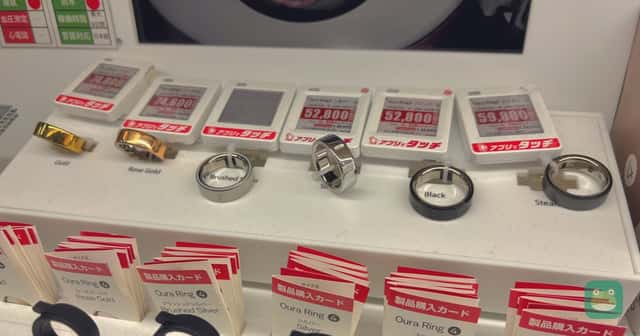
Oura is paying $625 million in cash for Counsel Health, a young AI-powered doctor service. The deal comes six weeks after the smart ring maker shelved an initial public offering that aimed to raise up to $2.2 billion. Oura announced the deal on Tuesday and said it expects it to close before the end of the year, according to the companies' press release. The deal pays a large premium for a small company. Counsel has about 70 employees, Bloomberg reported, according to TechCrunch.
The bet is simple. Oura's ring tells people what is happening in their bodies, and Counsel is meant to let them act on it, with prescriptions, lab tests and referrals inside the Oura app.
The price tag, in numbers#
The price is high compared with what Counsel raised. Counsel raised a $25 million Series A a year ago, led by Andreessen Horowitz and GV, and PitchBook estimates it raised about $36 million in total, TechCrunch reported. At $625 million, Oura is paying about 17 times the money investors put in. That works out to roughly $8.9 million per employee.
The table below lists the main figures. Oura's quarterly and annual results are preliminary and unaudited, the company said.
| Item | Figure |
|---|---|
| Purchase price (cash) | $625 million |
| Counsel funding raised (PitchBook est.) | $36 million |
| Counsel employees (Bloomberg) | About 70 |
| Oura revenue, quarter to Sept. 30 | $533 million |
| Oura revenue, fiscal 2026 | About $1.75 billion |
| Oura adjusted EBITDA, quarter | $87 million |
Oura can afford it. Its revenue for the quarter ended September 30 rose 153% from a year earlier, and full-year revenue grew 92%, according to the release. Adjusted EBITDA was a 16% margin. Executive chairman David Shuman said that growth and more than six million members gave Oura "the confidence to invest $625 million cash."
From IPO retreat to buying spree#
Six weeks ago, Oura was heading for the stock market. It formally launched IPO plans on September 21 and planned to raise up to $2.2 billion by selling 50 million shares, CNBC reported. Eight days later, on September 29, it postponed the listing, citing "uncertainty" in the IPO market despite "strong demand."
"We have the luxury of choosing our moment," CEO Tom Hale said then. The offering was aiming for a $15.6 billion valuation, Fierce Healthcare reported. Oura was valued at $11 billion after a $900 million funding round in October 2025, according to TechCrunch.
So instead of raising money from public investors, Oura is now spending its own. The IPO market has been rough for other big names, too. Anthropic is asking public investors for a $1.4 trillion valuation in a shaky market.
What Counsel actually does#
Counsel pairs a medical chatbot with its own staff of board-certified doctors. Users start by chatting with the AI, which draws on medical records, past conversations, clinical guidelines and, for Oura members, ring data. At any point, a patient can bring in a Counsel physician, who can diagnose, prescribe and refer, the release says.
The two companies are not strangers. Counsel's service was built into the Oura app in June, TechCrunch reported. In September they announced closer work on a Medicare program called ACCESS, which is set to begin early next year, according to Fierce Healthcare.
Counsel will keep selling to health plans, health systems and employers, and its partners will not need Oura rings, Counsel said in a separate post. Founder and CEO Muthu Alagappan will join Oura as chief clinical AI officer, TechCrunch reported.
The catch#
There are real limits. Oura's own release says the Oura Ring "is not a medical device" and is not meant to diagnose or treat any condition. Counsel's doctors will be looking at data from a device that Oura itself says is not a medical device. The companies cite early results: more than 90% of surveyed Counsel users said their Oura data helped them get better care, and patients who saw a Counsel doctor rated the experience 4.6 out of 5. Those are the companies' own survey figures, not independent studies.
Some ring owners were unsure at first. When the Counsel feature appeared in the app months ago, one user on r/ouraring wrote that it was "a little annoying to pay so much for something explicitly still in beta."
Oura also faces more competition. Rival ring makers such as RingConn and Ultrahuman are pushing into its market, TechCrunch noted.
How the news landed on X#
Bloomberg's Mark Gurman was among the first to post the deal and tied it directly to Oura's scrapped IPO.
Counsel Health announced the sale on its own account, saying it was founded three years ago to rethink primary care with AI.
Hims House, an account that follows telehealth company Hims & Hers, said the deal makes Hims's competitive landscape tougher. That is the wider stakes. A wearable company with millions of paying members now wants to be a doctor's office, too.
For other hardware and health startups, the message is mixed. Venture investors are still paying up for hardware companies. But Oura's choice shows that even a fast-growing, profitable startup may find buying another company easier right now than going public.
Cite this article
Patrick Karsh. “Oura shelved a $2.2 billion IPO. Six weeks later it is paying $625 million for a 70-person AI doctor startup.” 567 Business. Published 2026-11-11. https://567business.com/news/oura-counsel-health-625-million-ipo
Wikipedia citation
{{cite news |title=Oura shelved a $2.2 billion IPO. Six weeks later it is paying $625 million for a 70-person AI doctor startup |url=https://567business.com/news/oura-counsel-health-625-million-ipo |work=567 Business |author=Patrick Karsh |date=2026-11-11 |language=en}}CSL-JSON for reference managers
{
  "id": "https://567business.com/news/oura-counsel-health-625-million-ipo",
  "type": "article-newspaper",
  "title": "Oura shelved a $2.2 billion IPO. Six weeks later it is paying $625 million for a 70-person AI doctor startup",
  "URL": "https://567business.com/news/oura-counsel-health-625-million-ipo",
  "container-title": "567 Business",
  "language": "en",
  "author": [
    {
      "literal": "Patrick Karsh"
    }
  ],
  "issued": {
    "date-parts": [
      [
        2026,
        11,
        11
      ]
    ]
  }
}Citations identify this article and its publication date. Assess the reporting and its linked sources before using it as evidence.
Read this article as Markdown or JSON. Cite the original page and retain its sources, dates and qualifications.
Embed this article summary
Paste this HTML into your page. The summary stays linked to the full story and updates with it. No account required.
<iframe src="https://567business.com/embed/news/oura-counsel-health-625-million-ipo?theme=auto" title="Oura shelved a $2.2 billion IPO. Six weeks later it is paying $625 million for a 70-person AI doctor startup by 567 Business" width="100%" height="440" style="border:0;max-width:100%" loading="lazy"></iframe>
<p style="font-size:14px">Oura shelved a $2.2 billion IPO. Six weeks later it is paying $625 million for a 70-person AI doctor startup by <a href="https://567business.com/news/oura-counsel-health-625-million-ipo" rel="nofollow">567 Business</a></p>
<script async src="https://567business.com/embed.js"></script>